Wednesday, 27 September 2017

Melaselvanoor-Keelaselvanoor Birds Sanctuary

Melaselvanoor-Keelaselvanoor Birds Sanctuary

Melaselvanoor Keelaselvanoor Bird Sanctuary located near Sayalkudi in Ramanathapuram district in Tamil Nadu is home to various migratory birds. In the year 1998 it was declared as a sanctuary. It is spread over an area of 593.08 ha. This is the biggest bird sanctuary in Tamil Nadu. The sanctuary is a part of Melaselvanoor and Keelaselvanoor villages of Kadaladi taluk of Ramanathapuram district. 
Related image
Image result for Melaselvanoor wildlife sanctuary
Related image
Melaselvanoor, Keelaselvanoor Bird Sanctuary is located in Melaselvanoor, Kelaselvanor village tanks at 9o13’ N and 78 o 32’30 E graticule. It forms part of Melaselvanoor and Keelaselvanoor villages of Kadaladi taluk of Ramanathapuram district.

Majority of its area is now invaded and covered with prospis thickets. The Acacia nilotica plantation situated in the area is the nesting site for Migratory birds.

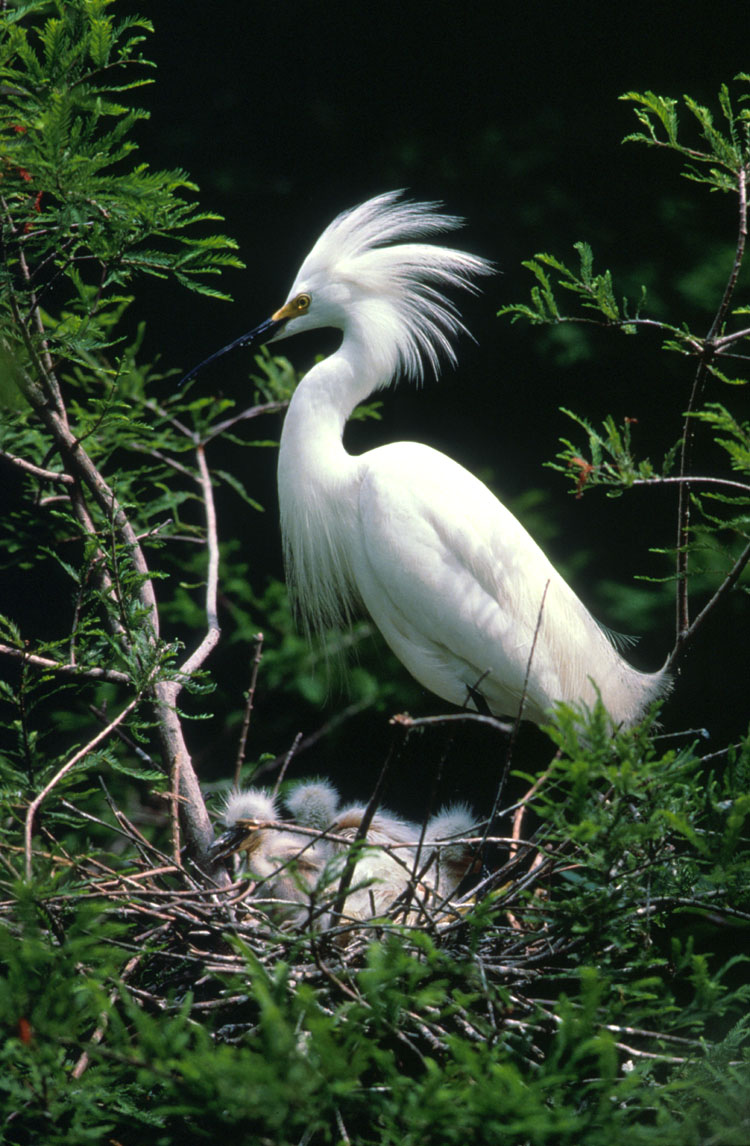
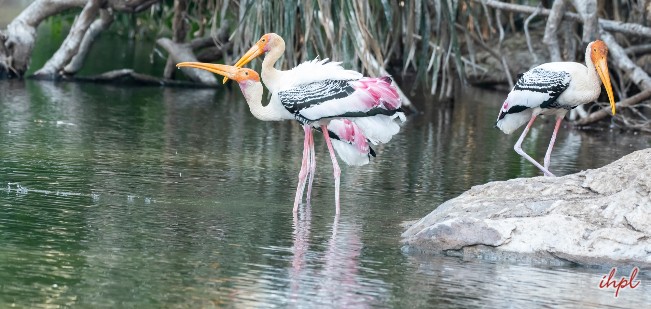
Pelicans, Painted Storks, Open billed Storks, White ibis, Spoon bills and Egrets regularly nest in the sanctuary. This sanctuary is considered to be the best heronry site in Ramanathapuram district. The vegetation of the tank is dominated by Prosopis in few locations with babul and on the boundaries with tamarind trees.
Image result for Melaselvanoor wildlife sanctuary
Related image

Karaivetti Birds Sanctuary

Karaivetti Birds Sanctuary

The Karaivetti Bird Sanctuary, is a 4.537 km2 (1.752 sq mi) protected area located at Karaivetti village in Ariyalur District of Tamil Nadu, South India and established on April 5, 1999. It is one of the largest freshwater lakes in southern Tamil Nadu. At least 188 species of birds have been recorded in the sanctuary. International name is Karaivetti Wildlife Sanctuary.
Karaivetti is a lake fed by the River Kaveri and by rainwater, about 50 km northeast of Tiruchchirappalli town. This freshwater lake is fed by Pullambadi, Kattalal canal. It is the biggest water body in the district and attracts hundreds of thousands of birds every year. Considering its importance as a bird habitat, the Government of Tamil Nadu declared it as a bird sanctuary in 1999. When full, the lake can hold water to an average depth of 3 m.
Image result for karaivetti wildlife sanctuary
From April to August, the water level is low. In the northern dry part of the lake, cotton, castor, maize, gram and coriander are cultivated annually, while in the wetter southern part, paddy and sugarcane are cultivated. The natural and planted vegetation consist of Acacia nilotica, Prosopis chilensis, Azadirachta indica & Tamarindus indica. The Acacia nilotica plantation is the major nesting site for birds.
In the wetland, Typha angustata and Fimbristylis sp. are present. Ipomea aquatica grows as a weed in many parts of the reservoir. Floating and partly submerged plants include Elodea, Hydrilla, Salvinia and Spirodella sp.
It is located about 35 kms to the north of Thanjavur in Ariyalur Taluk. The sanctuary is home to a variety of migratory birds that visit the sanctuary during the November. Over 2.5 lakhs birds arrive in this sanctuary.
Image result for karaivetti wildlife sanctuary
Of the 188 species of birds recorded in the sanctuary, 82 are water birds. The sanctuary is one of the most important fresh water feeding grounds for migratory water birds. The water birds arrive at the tank from September after water is released from the Mettur dam.
According to Forest Department sources, during the course of the first half of the migratory period, a large number of teals and ducks are drawn to the spot as the water level is deeper. As water starts receding, larger birds such as painted storks and open bills start thronging
Related image
Image result for karaivetti wildlife sanctuary


Geography
The sanctuary is a large irrigation tank located in the northern alluvial plains of the Kaveri River. It is fed during the northeast monsoons by the Pullambadi canal, an aqueduct from the Kaveri via the Venganur reservoir and dam. It is one of three interconnected reservoirs. It is one of the largest freshwater lakes in southern Tamil Nadu. An important aspect of this sanctuary is the presence of water till the month of May as most nearby water bodies dry up by the month of March. It remains dry from June till August. Rainfall ranges from 800 mm (31 in) -2,000 mm (79 in). It is often referred to together with another nearby tank and called Vettakudi-Karaivetti Bird Sanctuary.

Location
The sanctuary has an area of 321 Sq. Km with 108 Sq. Km of National Park area.
It lies within 11o 30’ N to 11o 42’ N and 76o 30’ E to 76o 45’ E.
Rainfall ranges from 800 - 2000mm. Temperature varies from 14o C to 33o C.
Altitude ranges from 100’ MSL to 1200’ MSL.

Flora
Aquatic vegetation includes: ganthian sp., sedge sp., bullrush & Hydrilla. Shoreline trees include wattle, neem, Indian beech sp., and casuarina sp. These trees provide habitats necessary for breeding waterbirds. The Social Forestry Department has planted Cassia trees along the northern and western shores of the reservoir. 

Fauna
Important birds here are long migrants including the high flying bar-headed goose, white stork, woolly-necked stork, rosy pelican, spoonbill, open bill stork, and grey heron, night heron, Pond heron, purple heron, egrets and glossy ibis.
The diving birds little cormorant, kingfisher, Indian cormorant and sixteen species of ducks, including spot-billed duck, common pochard, tufted pochard and northern shoveler, plus Coots and Twenty three species of waders, including whiskered tern, gull-  Billed tern, and little tern, sandpipers, little ringed plover and Kentish plover, have been recorded in the sanctuary.


Tuesday, 26 September 2017

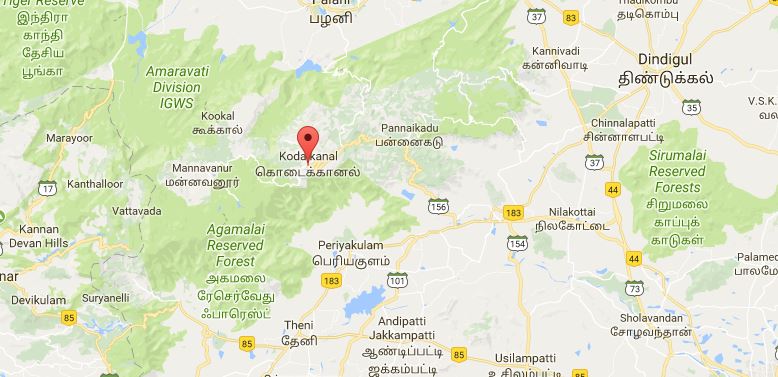
Kodaikanal Wildlife Sanctuary

Kodaikanal Wildlife Sanctuary

Kodaikanal had more number of Flora&Funa in the past like the Black Panther the Damp - Loving Frogs etc. The high elevations of the Palanis were typified by three natural Ecosystems steep rock escarpments, grasslands and sholas. The rock bluffs and precipices, sometimes overlooking sheer drops oftwo to three thousand meters, were the home of the Nilgiri Thar an endangered "Goat - Sheep" whose nearest relative is the Himalayan Thar which is another end of India. The human beigns plundered this wealth and we have only small groups of Thar. The Indian Rock Python live in the lower elevations. Five to six metre ones are seen now and they prey on rats, chickens etc which they can catch from villages near.
Image result for kodaikanal wildlife sanctuary
One sensation of Kodaikanal is the Kurinji Plants which bear flowers called Kurinji flowers (The botanical name is Strobilanthus) found on the Palani hills. They flower only once in 12 Years. In the valleys there are dense patches of broad - leaved, evergreen rain forests called Sholas. Unlike rain forests in the plains, the trees here do not reach majestic heights because of the high altitued and constant, heavy wind. These moss and lichen laden forests are prime watershed. They absorb water during the monsoon and release it judiciously all year round.
The foresters of the past failed to understand that the grasslands in the high reaches of the hills were biological treasure-houses. Not only are they ecologically ancient habitats with rich species diversity, but they provide important corridors for wildlife such as Bison, Elephant and Thar. As the grasslands go, the wild animals become isolated and are unable to get the necessities of life. This is the fate of most of the large animals in the country. But to most of the people these were vast wastelands which can be put to use. Thus the invasion of exotic commercial trees in Kodaikanal and it has changed entirely the ecological face of the Palanis The early pioneers like Major Partridge, Sir Levinge and others introduced and planted the first Eucalyptus, Wattle and Pine. After the World war II there was a demand for quick- growing trees for paper pulp. At the same time, South Africa refused to export tannin and wattle (a raw material for tannin), used for the leather industry, to India. So wattle was planted all over thousands of acres and this dominates Kodai's landscape today.
Image result for kodaikanal wildlife sanctuary
Related image
Medicianal Flora

The Tamil Nadu Agricultural University is doing good work in Kodaikanal for the development of Flora especially Medicinal Flora. Cultivation of medicianla plants like Digitalis, Pyrethrum, Bellandona, Dioscrea and Mentha can revolutionise the economy of the rural people who are agriculturists. There is a research centre by CIMPO near Berijam for this. Work during the past ten years at HRs, Kodaikanal, has enabled the Tamil Nadu Agriculture University to identify certain varieties of Digitalis, Pyrethrum, Bellandona, Dioscrea, Mentha etc., which gave higher yields. Technical know - how is also avilable, and when the marketing of the concerned produce is assured (i.e., the area of medicinal plants are increasing rapidly due to the activities of various drug manufacturers.
Animals in Kodaikanal

Black PantherEven though some ones like the panther, giant malabar squirrels, civet cats are getting extinct Kodai still has a store of Fauna which is too good. We can see the flying squirrels which can spread out like square frying pans and gliding from one tree to another. They seem to be active on bright moonlit nights, using their high pitched, calls to communicate with their kind.
There are others, Porcupines, Wild Boar, Bison and other creatures. The Berijam lake is an area where you can find the forests with many of these animals. Near the Berijam lake there are chances of hearing the eerie, ascending call of the Nilgiri langur, a black monkey endemic to the Western Ghats. Heavily hunted for their supposedly medicianl meat, these primates have become thoroughly man-shy and will not allow a close approach. Their calls often elicit an immediate response from the giant Malabar squirrel's loud chuckle. Mannavannur is also a place where to see these fauna.

Deers like the barking deer, Sambar, Mouse deer are present here and there in the bushes and forests. The once in a while visitor is the Great Elephant, which comes from the plains. Several herds seem to stay up here year round now, probably victims of dire habitat alteration.

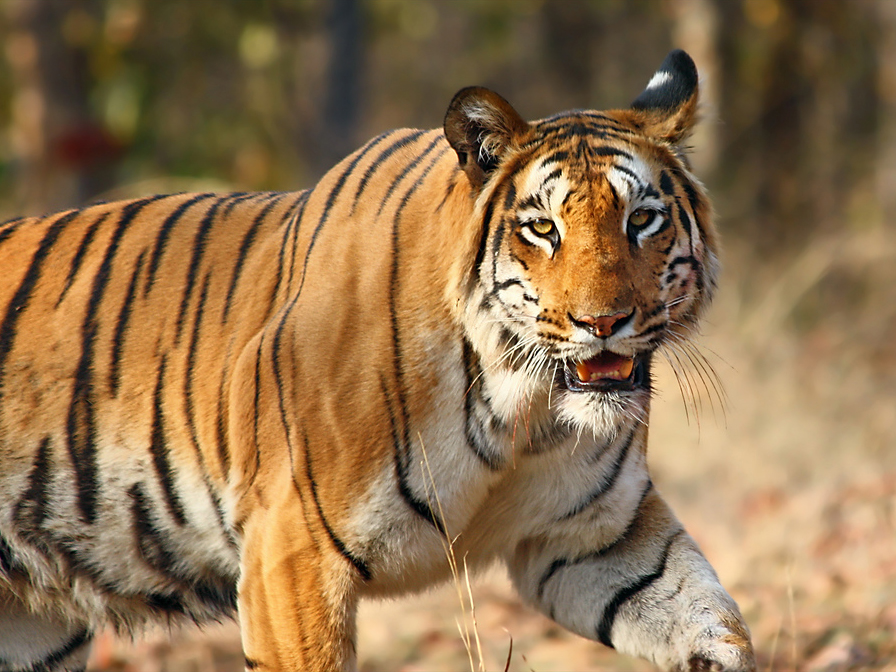
In the early 1900s there were panthers roaming near the lake. They were bold enough to catch cattle right out of the sheds. There are sightings of tigers in the Palanis, but people often confuse with panther and hyenas. In fact in Tamil name for hyena is donkey- tiger. Other rare remnants of these hills are the sloth bear and the brilliantly spotted leopard cat. Scattered groups of Nilgiri Thar still roam the high slopes and steep escarpments; but the increasing conversion of grassland to plantations may well drive them away from the Palanis altogether.
Image result for kodaikanal wildlife sanctuary
BIRDS IN AND AROUND KODAIKANAL

Bul BulThis place, Kodaikanal is a sure visit for a bird-lover or bird watcher. You will have to go to the Sholas since the birds are not so fond of pine, eucalyptus and wattle. Bombay Shola, right in the heart of town, can yield results and sometimes there is action even on the towering trees.
Among the common birds of gardens and wooded areas is the jolly little Red-Whiskered BulBul has a less prominent and red cheeks. Its cousin the Red-Vented BulBul has a less prominent crest. Black BulBuls have a red beak which makes identifying them easy. Its calles are not so musical. There is another garden resident is the Slaty-Headed Sacimitrar Babbler. It is more heard than seen. Another common one is the ,Palani Laughing Thrush has a melodious whistling call up and down the scale, which has earned it the name of Whistling Schoolboy. Yet another ground lover is the blackbird, the male is glossy black with yellow bill, the female brown with a white-spotted breast. Pied bush chats, Jungle Mynahs, Spotted Doves and Crow Peasants live and nest in Kodaikanal's gardens. The Common Mynah is absent.

Around and In the sholas, there are colourful birds. There are Flycatchers - Grey - Headed, black and orange and the verditer. There are scarlet minivet and loud kutroo are really cool to see. Fowls are present in the sholas and on the way to Berijam. The Red Spur Fowl is also found. The lake is inhabited with Moorhens, Common Kingfisher, Brahminy Kite, Pond Heron, Large Pied Wagtail, Nilgiri Pipit, Painted snipe and a few others do inhabit the lake.
You can spot the Cresent Serpant Eagle, a dark brown raptor with a black and white crest and yellow unfeathered legs. The pariah kite is altogether is more clumsy bird, its forked tail makes it easy to distinguish it form other birds of prey. They are occaionally seen around the bazaar, picking up unprotected food. Pale rumped swallows are common, and their mud nests are sometimes found on the walls of houses. There is this edible-nest swiftlet, which makes glutionous nests form saliva. These are collected in large scale in the Eats, where they are eaten as soup.

The visiting birds in the winter are the common Rosefinch, the Blue Chat and several leaf warblers which come in hordes and are impossible to identify without help of a guide. One of the easily identifyalbe ones is Blyth's Reed Warbler, which goes around alone.


Kanyakumari Wildlife Sanctuary

Kanyakumari Wildlife Sanctuary

Kanyakumari Wildlife Sanctuary is a 402.4 km2 (155.4 sq mi) protected area in Kanyakumari district, Tamil Nadu South India declared in February 2008. The area is a tiger habitat. The virgin forests of Kanyakumari District got transferred from Kerala to Tamil Nadu on the 1st November 1956 as a result of the state reorganization. Kanyakumari Forest Division came into existence from 1st April 1977, with the headquarters at Nagercoil. Government Reserved Forests occupy an area of 50486 ha, i.e., 30.2% of the total geographic area of the Kanyakumari District.
Image result for kanyakumari wildlife sanctuary
Related image
Image result for kanyakumari wildlife sanctuary
Kanyakumari Wildlife sanctuary with adjacent areas of Kalakkad Mundanthurai Tiger Reserve and Neyyar Wildlife Sanctuary of Kerala State constitutes the southernmost tip of Western Ghats. The natural vegetation of this region represents biomes ranging from southern thorn forests, dry deciduous, moist deciduous, semi evergreen forests to ever green hill sholas with grassy downs. The tract is exceedingly rich in wildlife harbouring a variety of animals. The avifauna, the reptilian and amphibian fauna of this region are also rich and diverse.
The Kanyakumari Wildlife Sanctuary is located in Kanyakumari, commonly known to the rest of the country as the southernmost tip of India. This tip of the Indian peninsula is a unique geographic point as it is one of a handful of places, if not the only, to be surrounded by all three of the sub-continent's vast oceans – the Bay of Bengal, Indian Ocean and the Arabian Sea. This, in combination with the fact that the sanctuary touches the southern tip of the Western Ghats is cause for - albeit understandably – the distinct and highly rare quality and combination of its biosphere.
Image result for kanyakumari wildlife sanctuary
Being surrounded by three major oceans has a direct and obvious effect on its monsoon. The sanctuary receives extremely heavy rainfall of 1369 mm each year which is both unevenly and oddly distributed. Tropical wet evergreen forests and southern thorn scrub forests are the extremes that form the spectrum of vegetation in this sanctuary. The variation in forest type is mainly due to the pattern of the monsoon. At the Kanyakumari Wildlife Sanctuary is a whopping 427 species of Indian plants, of which 123 are found in the state and 62 are endemic to Tamil Nadu.
Image result for kanyakumari wildlife sanctuary
In Upper Kodaiyar and other craggy regions of the Tirunelveli District, where the sanctuary lies, you will find a particularly interesting plant called Hill arecanut. It is an endemic palm occurring in these locales. In this category are also two other palms found in abundance   - the Arenga wightii and Poanaca docksonii. They yield a deadly brew that is locally known as toddy. Toddy is simply an alcohol made out of the tender water of these palms by fermentation; the toddy from these palms are glorified, relished and sought after by the tribals in the area. In fact, an interesting fact of the forests in Kanyakumari is that they are said to be more than 70 million old. Now that’s called an age old area, which has been developed.
The Kanyakumari Wildlife Sanctuary is a crucial wildlife corridor with exceptionally high biodiversity. Inevitably, it is home to several species that are endangered, such as the Indian rock python, lion-tailed macaque, mouse deer, Nilgiri Tahr, Sambar deer, Indian bison and elephant.
Image result for kanyakumari wildlife sanctuary
Sadly, construction of hydel projects, encroachment, conversion of forest to farmland, poaching and poisoning have cause many species like tigers, panthers, black buck and deer to dwindle. Nonetheless, animal species that continue to be commonly spotted at the Kanyakumari Wildlife Sanctuary are bonnet macaque, jackal, Indian fox, leopard, small Indian civet, Indian chevrotain, otter, sloth bear, large brown flying squirrel, pangolin and flying fox among many others.
The Kanyakumari Sanctuary is simply fantastic for wildlife viewing and nature walks; it is also a unique experience to see the meeting point of the three main oceans. This is considered as one of nature's most wonderful phenomena, the blending of their waters and sand; a must do for all who visit the south of India and compelling in its own right to other travelers as well.

Wildlife
The vegetation and flora of Kanyakumari sanctuary are exceptional because of extraordinary variety of species occurring within a small area. Kanyakumari Wildlife Sanctuary is floristically one of the richest areas in our country harbouring not less than 3500 species of flowering plants. The IUCN has identified 11 plant species as critically endangered, 12 species as endangered, and 21 species as vulnerable.   This indicates the fragile nature of the ecosystem. However the floral diversity is one of uniqueness of the forest. 
The area is a wildlife corridor with high biodiversity, and in addition to tigers, is home to  threatened species: Indian Bison, elephant, Indian Rock Python, Lion-tailed Macaque, Mouse deer, Nilgiri Tahr and Sambar deer.

Kalakad WildLife Sanctuary

Kalakad WildLife Sanctuary

Kalakkad WLS is located at the foothills of the Western Ghat and the area adjoining it.  The Vegetation ranges from forests of tropical wet evergreen to tropical dry deciduous and thorn forests at the foot of the Ghats.  Among the mammals that are spotted here are the elusive tiger, elephant, panther, jackal, wild dogs, lion tailed macaque, Nilgiri langur, common langur, sloth bear, gaur, flying squirrel.  Also seen is a wide variety of reptile population including cobra, python, and other species of snakes.  A large variety of birds found adds to the naturalist's delight.  Accommodation is available in the Forest Rest House at Sengaltheri, for reservation Phone: 04635-261100; 20km from Kalakkad village and hotels in Tirunelveli.
Image result for Kalakad WLS
Straddling the Tamil Nadu Kerala border, the Kalakad-Mundanthurai Tiger Reserve is an 895 sqkm tract of undulating land with metamorphic rocks draped by evergreen forests, scrub and grass lands. The park's biodiversity matches its rich and varied terrain. Located at the southern end of the Western Ghats, one of the 18 Biodiversity Hotspots in the World, the reserve stretches along the 288km border, hemmed in between Kerala to the west and Tirunelveli District to the north and east.  The sagely peak of Agasthiarmalai (1,868m/6,129ft), the third highest in South India, lies in Kerala, but trekking trails marked out by forest officials, over 250 bird species, waterfalls and scenic vistas make KMTR a haven for wildlife enthusiasts.

Related imageImage result for Kalakad WLS

Historically the Pandyas, Madurai Nayakas and the British ruled the area andit was R.K. Puckle, the District Collector of Tirunelveli who organized the Forest Department in 1864.  Almost a century later, Mundanthurai was declared a Tiger Sanctuary in 1962 and the entire Kalakad Reserve Forest was notified as a sanctuary to protect the endangered lion tailed macaque in 1976.  By 1989, KMTR became the 17th Tiger Reserve in India and the only one its kind in Tamil Nadu.  There is a sizeable population of its apex species, the tiger and the leopard (panther), but they are elusive.  Herds of elephants frolic in the watering holes and it is easy to see sambar, spotted deer and the occasional mouse deer, barking deer or gaur.  Nilgiri tahrs are seen in higher regions.  The woods are home to sloth bears, brown mongoose, brown palm civets, Indian pangolins, Malabar spiny dormouses, Nilgiri langurs, slender lorises, bonnet macaque and wild dogs.  The forest also crawls with king cobras, pythons and green pit vipers.  Apart from the Agamid lizard (rediscovered in Kakachi forest) and the rare arboreal skink, the crocodiles released into the reservoirs in the 1970s are thriving! For birders, highlights include Ceylon frogmouth, grey-headed bulbul, great black woodpecker, great pied hornbill, great Indian hornbill, Malabar grey hornbill, Oriental bay and broad-tailed grass warbler.

Image result for Kalakad WLS
Nourished by two monsoons a year (June to August and October to December), the reserve is a watershed for 14 major rivers and streams. The scenic sights Agasthiar Falls, Karayar Dam and Papanasam Dam are necessary do.  Boating options at the dam allow a ride to Banatheertham Falls for a 1hr stop to have an indulgent shower.

6km from Ambasamudram or 47km from Tirunelveli, Mundanthurai WLS is spread over 567 sq km.  This lesser known tropical land is home to tigers, macaque, langurs, glender loris, samber, chitals and many more of the endangered species.  The forest with a wide variety of flora and fauna has several trekking trails. 

45km south of Tenkasi or 54km east of Tirunelveli.  Amabasamudram, Papanasam Upper Dam Road, Tirunelveli District. Open daily 6am to 6pm Guided Tours: Frh can arrange a local guide birding and treks. Phone 0462-2552663(Tirunelveli), Kalakad: 04635-261100.

For prior permission to stay at Mundanthurai Rest House, contact Deputy Director, Project Tiger Office, ambasamudram (opp. Marriage Hall) or Field Director, Kalakad-Mundanthurai Tiger Reserve, NGO 'A' Colony, Tirunelveli. Avoid March to May as temperatures average 36 to 44°C. September to March is the best time to visit.
Total Area 895km Annual rainfall 1000 - 4000 mm Nearest town Tirunelveli 47km Best Season September-March


Cauvery Wildlife Sanctuary

Cauvery Wildlife Sanctuary


The primary inspiration and the mission of Kenneth Anderson Nature Society is to campaign for the creation of the Cauvery Wildlife Sanctuary (CWS) in Tamil Nadu encompassing the rich forest tracts along the northern banks of the river Cauvery.

This, however, is not an easy campaign. Notification of forests with elevated levels of protection is always a matter of great impact in India and requires a convergence of governmental determination, administrative willingness, and public support. KANS is actively interacting with various stake holders to realise the creation of the much needed Sanctuary and is determined to pursue this campaign to the last mile. Most KANS projects and initiatives are selected and executed with a view to increase support for this one central mission: Cauvery Wildlife Sanctuary (Tamil Nadu)

Related image
On May 2nd, 2013, Chief Minister J Jayalalithaa, reading out a statement under Rule 110 of the House, announced the setting up of Cauvery Wildlife Sanctuary  by bringing together reserve forests in Krishnagiri and Dharmapuri districts.
On February 24th, 2014, the Government of Tamil Nadu declared 504.334 sq km of reserve forests to the north of Cauvery in Krishanigiri and Dharmapuri districts as Cauvery North Wild Life Sanctuary under clause (b) of sub-section (1) of Section 26-A of the Wild Life (Protection) Act, 1972 in Gazette No.II(2)/EF/254/2014.
About 500 sq km of forests in between the Cauvery North Sanctuary and the river Cauvery still remain as reserve forests. It has been proposed to bring these forests also under Cauvery Wildlfe Sanctuary, Tamil Nadu, and this is being followed up by KANS.
Image result for Cauvery North WLS
Related image

The pristine Cauvery flowing through its splendid deep ravines and plummeting into thunderous cascades, magnificent mountain ranges with evergreen forests and spectacular chances to catch a glimpse of the wildlife can send you packing your rucksack for a rendezvous in Karnataka. Cauvery Wildlife Sanctuary is a great getaway for those who seek the solitude and enjoy nature gazing.
Related image
Tucked in the mountains with the majestic Cauvery flowing through it, the Cauvery Wildlife Sanctuary is located in the Mysore district, covering an area of 526.96 sq km. It has dry deciduous forest as well as some patches of scrub forest. Lurking in the thick growth you can spot

tigers and leopards seeking their prey, herds of elephants in search for greener pastures, spotted deer and four horned antelope making their way across the flowing river, wild boars, sambhars , barking deer, Malabar giant squirrel, grizzled giant squirrel, common otter and hare enjoying their habitat.

An idyllic place to trek, you can climb a hilltop to get a spectacular view of the Cauvery flowing and the picturesque view of the vale below. The best time to visit the Cauvery Wildlife Sanctuary is from November to March. The river that meanders through the valley offers an excellent opportunity to go angling mahseer fish as well as go rafting. Within the thick growth bird watchers can catch the sirkeer cuckoo, green-billed malkoha, white-browed bulbul and the pigmy woodpecker with their binoculars. Marsh crocodiles, python, turtles, Russell’s viper, cobra, and the banded krait are also found here.


Saturday, 23 September 2017

Indira Gandhi (Annamalai) National Park

Indira Gandhi (Annamalai) National Park


Indira Gandhi (Annamalai) National Park complete detail – updated. Geography of Indira Gandhi (Annamalai) National Park. Dominant flora and fauna of Indira Gandhi (Annamalai) National Park. How to Reach Indira Gandhi (Annamalai) National Park. 

Total area of the Park is 117.10 Km2. The area 117.10 Km2 of Indira Gandhi Wildlife Sanctuary was declared as a National Park in the year of 1989. The park is rich in mixed deciduous forest with with fair population of rosewood and teaks. The Orang National park is the home to a wide variety of floral and faunal species. 

326

The faunal species includes Nilgiri Langur, Giant Squirrel, Lion tailed macaque, Gaur, Elephant, Chital, Sambar, Mouse Deer, Barking Deer, Variety of Birds, Tiger, panther, Wild Dog, Nilgiri Tahr, Nilgiri Langur, Bonnet macaque etc. The bird life includes Malabar whistling thrush, Grey jungle fowl, Malabar and Great pied hornbills, Ceylon frogmouth, Malabar trogon, Red Tree Pie, Whiskered Bulbul, Spotted Dove, Black Headed Oriole, Pigeons etc. The Amaravati reservoir in the park, having a large number of crocodiles………….

National park is an area which is strictly reserved for the betterment of the wildlife & biodiversity, and where activities like developmental, forestry, poaching, hunting and grazing on cultivation are not permitted. Their boundaries are well marked and circumscribed.

Image result for Indira Gandhi (Annamalai) WLS
Indira Gandhi (Annamalai) National Park is a beautiful place, located in the Coimbatore district of the state of Tamil Nadu. Indira Gandhi (Annamalai) National Park is a part of Indira Gandhi (Annamalai) Wildlife Sanctuary.

Annamalai derives its name (‘Anai’ meaning elephant and ‘Malai’ meaning hills) from the large number of wild elephants living in the area.

Annamalai Wildlife Sanctuary was established in the year of 1976. The Annamalai Wildlife Sanctuary was renamed as Indira Gandhi Wildlife Sanctuary in the year of 1987 (After former Indian Prime Minister Indira Gandhi who visited the Sanctuary). Total area of the Sanctuary is 841.49 Km2.
311


Kozhikamudhi Elephant Camp


Elephants were earlier trained and used at Anamalai for timber operations till felling of trees was stopped in 1972. The elephant camp has become a popular public attraction since 1976. There are 20 Kumki elephants at the Kozhikamudhi Elephant Camp in the IGWSNP. There are 13 tuskers (including three calves) and seven cow elephants.

In 1997, annual celebration of Elephant Pongal at Top Slip was begun. For Pongal, several decorated elephants stand in front of the Pongal pot to mark the commencement of the celebration. In 2011, Elephant Pongal was celebrated on 18 January.

On 24 February 2011 the Kumki Karthik was gored to death by two wild male elephants after it unchained itself in the camp and escaped into the forest. The elephant was in must and was in search of a female companion.

History

By the mid-1800s, large tracts of Valparai plateau in the Annamalai were under intense tea or coffee plantations after deforestation of the natural forests.


In 1855, this area came under sustainable forest management for teak plantations by the pioneering efforts Douglas Hamilton and Dr. H. F. Cleghorn of the new Tamil Nadu Forest Department. In the early 1900s, protection of the Karian Sholas was also ensured.

History of the National Park is closely linked to a very nature loving British Officer named Hugo Woods. The region had Teak plantations in plenty, and heavy deforestation of its forests severely damaged its ecological balance. Real efforts to regenerate the forests began with the coming of British forester Hugo Woods to the place in the year 1915.

Annamalai Wildlife Sanctuary was established in the year of 1976. Annamalai derives its name (‘Anai’ meaning elephant and ‘Malai’ meaning hills) from the large number of wild elephants living in the area.

The Annamalai Wildlife Sanctuary was renamed as Indira Gandhi Wildlife Sanctuary in the year of 1987 (After former Indian Prime Minister Indira Gandhi who visited the Sanctuary). Total area of the Sanctuary is 841.49 Km2.

The area 117.10 Km2 of Indira Gandhi Wildlife Sanctuary was declared as a National Park in the year of 1989.

The Steering Committee of Project Tiger granted approval in principle to inclusion of Indira Gandhi WLS and NP under Project Tiger in 2005.

Indira Gandhi Wildlife Sanctuary was declared a Project Tiger sanctuary in 2008. Continuance of Project Tiger’ in Anamalai Tiger Reserve for FY 2010/11, at the cost of Rs. 23547,000, was approved by the National Tiger Conservation Authority on 31 August 2010.
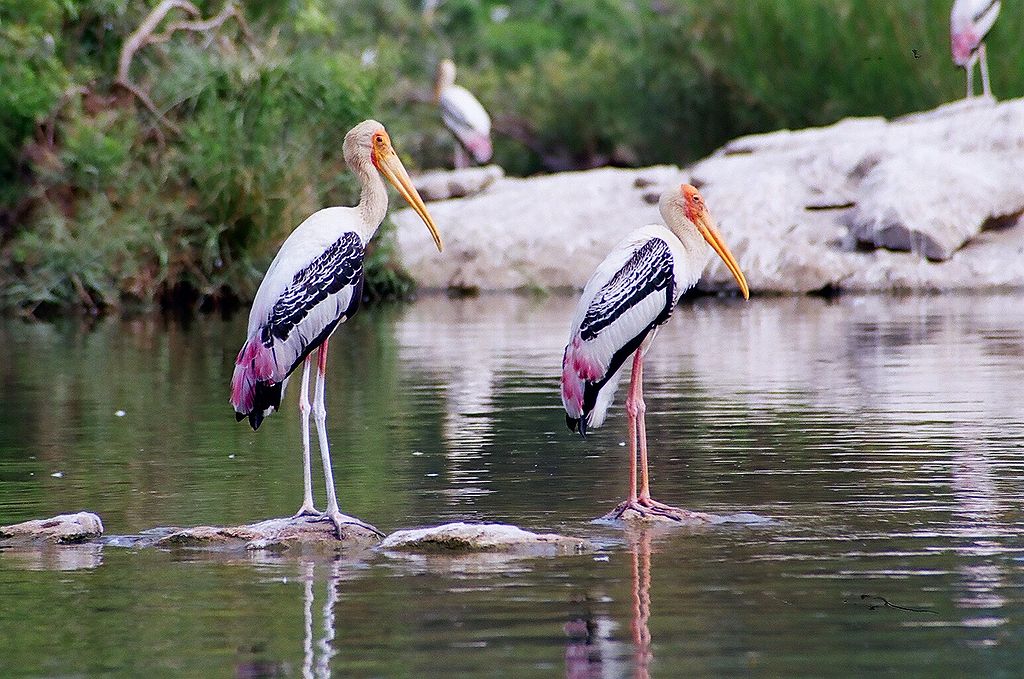


vaduvoor bird sanctuary

vaduvoor bird sanctuary Vaduvoor Bird Sanctuary is located in Thiruvarur district of Tamil Nadu. The nearest city, Thanjavur, is locat...