Showing posts with label wild Sanctuaries. Show all posts

Monday, 2 October 2017

Vellanadu Blackbuck Sanctuary

 Vellanadu Blackbuck Sanctuary

Vallanadu Wildlife Sanctuary is a protected area of Tamil Nadu in South India created for the protection of blackbuck antelope. Located on an isolated hillock in Vallanadu Village of Srivaikundam Taluk, it is the southernmost place in India where a natural population of blackbuck exists

Image result for vallanadu black buck sanctuary

Image result for vallanadu black buck sanctuary

Related image

Image result for vallanadu black buck sanctuary

Vallanadu is the southernmost place in India where a natural population of Blackbuck exists. The Vallanadu Blackbuck Sanctuary is an isolated hillock with scrub forest in Thoothukudi Revenue District situated on eastern side of Tirunelveli – Tuticorin highway. A learned man would immediately think how the Blackbuck – dweller of plains ended up in hillock would. The whole plain area of Tamilnadu used to have large number of Blackbucks in the 19th century. The developmental pressures, poaching and agriculture has cornered them to four places now – Guindy National Park in Chennai; Mudumalai sanctuary near Masinagudi; Point Calimere sanctuary in Nagapattinam; and Vallanadu in Tuticorin.

Related image

Image result for vallanadu black buck sanctuary

Vallanadu Blackbuck Sanctuary is a scrub forest area that is spread over 16.41 sq km. This sanctuary is situated in the Thoothukudi District. Thoothukudi District is situated in the extreme southeastern corner of Tamil Nadu. It is surrounded by the districts of Tirunelveli, Virudhunagar, and Ramanathapuram, and southeast by Gulf of Mannar and on the west and south-west by Tirunelveli District. The city is also known as "Pearl City". Thuthukudi is a seaport city, which serves southern Tamil Nadu, including the inland cities of Coimbatore, Madurai and Tirunelveli. It is one of the oldest cities in India.
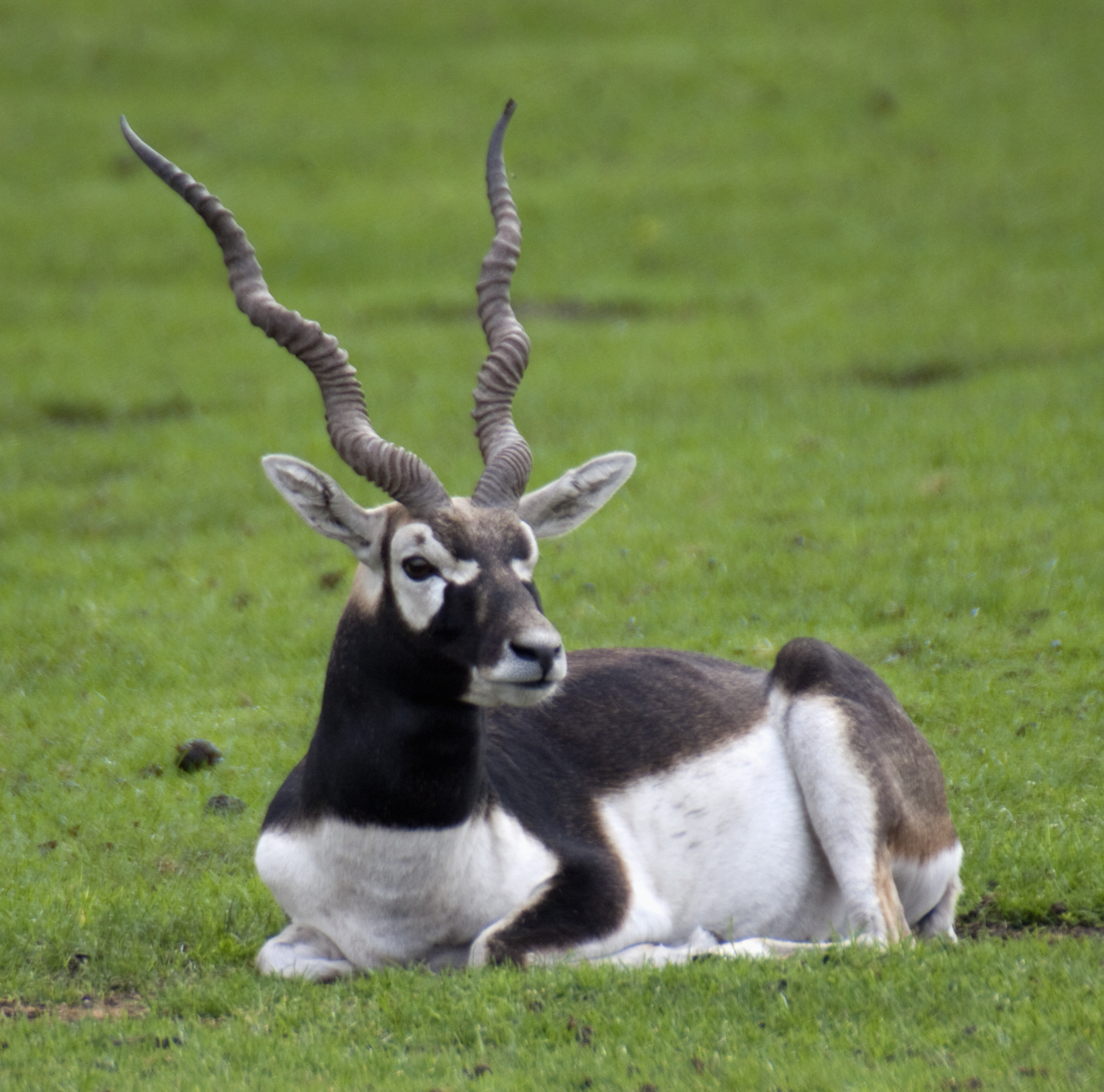
Image result for vallanadu black buck sanctuary

Image result for vallanadu black buck sanctuary

Blackbuck, Spotted Deer, Macaques, Jungle cat, Mongoose and wild hares are the fauna that be seen in Vallanadu Blackbuck Sanctuary, in plenty in this reserve. Originally Blackbucks were spread over large tracts of India but today the Black Buck population is confined to small parts of India, like Tamil Nadu Sanctuaries. The original habitat of Blackbucks is open plain and not dense jungles. On the open plain the black buck is one of the swiftest animals.

Image result for vallanadu black buck sanctuary

Flora

The sanctuary is a South Deccan Plateau dry deciduous forest. The thorny hardwood and xerophytes: Dalbergia horrida (see Dalbergia), Dichrostachys cinerea, Vachellia horrida, Acacia planifrons, Albizia amara, Zizyphus sp. and a few Azadirachta indica, Dodonia viscosa[clarification needed], Carissa carandas, Pterolobium hexapetalum, Euphorbia, Acalypha fruticosa and Ocimum tenuiflorum form the undergrowth.

Fauna

Blackbuck, spotted deer, macaque, jungle cat, monkey, wild cat, mongoose, black naped hare, scaly anteater, viper and rat snake live here.

Peafowl, heron, stork, grey partridges, jungle crow, common quails, pied crested cuckoo, crested-hawk eagle, black-winged kite, curlew, lapwing, nightjar, sparrows, horned owl, and nearly 100 other species of birds are found in the area.

The blackbuck population is around 20-40. Thick acacia growth makes it difficult to determine a precise population count. The blackbucks regularly come out of the scrubs and graze in wastelands on the eastern side of the sanctuary. 


Sunday, 1 October 2017

Sathyamangalam Wildlife Sanctuary

Sathyamangalam Wildlife Sanctuary

The Sathyamangalam Wildlife Sanctuary, home to 28 tigers – the highest density of tigers in India - is currently contesting to be named Sathyamangalam Tiger Reserve. The large population of sambhar, spotted deer and gaur is the main reason for the high density of the striped wild cat as the former makes for perfect prey base. At SWS you are closer to catching a glimpse of the striped hyena, as it is one of the last few places where they exist. Another rare species you can spot is the four-horned antelope. SWS have an excellent population of blackbuck. What is intriguing about this particular animal in Sathyamangalam is that, it is the only landscape in the country where the blackbuck and tiger co-exist; to observe the two together is an opportunity that is one in a million. This sanctuary is also home to more than 850 pachyderms, making it India's largest elephant habitat.

Image result for sathyamangalam wildlife sanctuary

Image result for sathyamangalam wildlife sanctuary

Image result for sathyamangalam wildlife sanctuary

Image result for sathyamangalam wildlife sanctuary

First declared in 2008 and enlarged in 2011, it covers a forest area of 1,411.6 km2 (545.0 sq mi) and is the largest wildlife sanctuary in Tamil Nadu. In 2013, it became the fourth Tiger Reserve as a part of Project Tiger in the state of Tamil Nadu. The sanctuary covers parts of Sathyamangalam taluk and Gobichettipalayam taluk of Erode District in the north western Tamil Nadu. Conservation of the Sathyamangalam Forest Division is administered by the Tamil Nadu Forest Department governed through Conservator, Erode, Divisional Forest Officer, Gobichettipalayam and District Forest Officer, Sathyamangalam.

Related image

Mugger crocodiles are indigenous to Sathyamangalam. These crocs have not been strategically introduced but are found here in the wild. Other animals you can find here are Bengal tiger, leopards, wild boar, sloth bear, barking deer and more. The flora for these animals is mostly tropical dry forest. SWS has five forest types, they are: tropical evergreen, semi-evergreen, mixed-deciduous, thorn forests and dry deciduous. They occur alternately with evergreen forests in limited patches of the higher altitudes, between 750 and 1649 meters above mean sea level. Most areas are found to be mixed shrub land and grassland, ideal feeding grounds for the preferred prey of the tigers.
In recent years, the Moyar River valley has seen a small but growing population of threatened gyps. This is just one of the 230 bird species that you can view at Sathyamangalam Wildlife Sanctuary. Four rare species of vulture – White backed Vulture, Nephron Vulture, King Vulture and Long billed Vulture – thrive here. They are almost non-existent in the rest of the country with their population seeing a steady decline of 99.9% in the past twenty years.
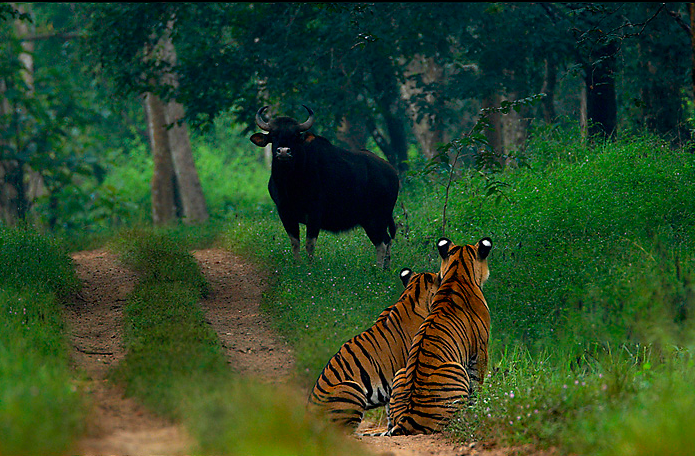
Image result for sathyamangalam wildlife sanctuary

Related image


Srivilliputhur Grizzled Squirrel Sanctuary

Srivilliputhur Grizzled Squirrel Sanctuary

The Grizzled Squirrel Wildlife Sanctuary (GSWS), also known as Srivilliputtur Wildlife Sanctuary, was established in 1988 to protect the vulnerable grizzled giant squirrel (Ratufa macrora). Occupying an area of 485.2 km2, it is bordered on the southwest by the Periyar Tiger Reserve and is one of the best preserved forests south of the Palghat Gap.
The sanctuary covers 485 square kilometers (187 sq mi) in western Tamil Nadu, South India in the eastern water-shed of the Western Ghats and consists of high hills and valleys, with a number of peaks reaching up to 1,800 metres (5,900 ft).

Image result for srivilliputhur grizzled squirrel wildlife sanctuary srivilliputhur, tamil nadu

Related image

Image result for srivilliputhur grizzled squirrel wildlife sanctuary srivilliputhur, tamil nadu

It is located by the eastern water shed of South India in the Western Ghats. The sanctuary posses a number of high hills, many valleys and also large numbers of peak, with a maximum height of 1,800 meters.
The Grizzled Squirrel Wildlife Sanctuary also known as Srivilliputtur Wildlife Sanctuary is home to the endangered, grizzled giant squirrel Ratufa macrora.
The tributaries of the river Vaipaar and few rivulets draining into the river Gundar River are running through the sanctuary which provides water in the habitat for vegetation and wildlife.

Image result for srivilliputhur grizzled squirrel wildlife sanctuary srivilliputhur, tamil nadu

Image result for srivilliputhur grizzled squirrel wildlife sanctuary srivilliputhur, tamil nadu

There are two dams viz. Pilavakkal and Koilar situated along the foothills of the sanctuary which are the best places to see water birds and other wildlife. There is one rest house situated inside the sanctuary in Mudaliar Oothu, one of the best places to see the Nilgiri Tahr.
Besides Grizzled Giant Squirrel, the sanctuary is a habitat for endangered species such as tiger, leopard, Nilgiri Tahr and Lion-tailed Macaque. There are no roads, so the sanctuary can only be visited on foot and guides are available on request from the Sanctuary office to accompany tourists on treks.
The climate is generally hot and dry in the foothills. Hot tropical climate prevails in the upper elevations. The average annual rainfall ranges from 800- 2300 mm.


The sanctuary can be visited throughout the year.
The forest officials also take care of all tourists' requirements and provide them with comfortable and affordable accommodation either at the Forest Rest House at Mudungiar, Pudupatti, Mudaliaroothu or at the PWD Rest House at Srivilliputhur and also provides transportation.
The craggy mountains, the dense forests, the exciting wildlife, the opportunities to trek and the escape into the lap of nature, make Grizzled Squirrel Wildlife Sanctuary an attractive destination!


gangaikondan wildlife sanctuary

gangaikondan wildlife sanctuary

Tamil Nadu now has an exclusive sanctuary for spotted deer with the State government notifying the formation of Gangaikondan Spotted Deer Sanctuary.

An order from the Environment and Forests Department said this follows an announcement this May by Chief Minister Jayalalithaa in the Assembly that the sanctuary in Tirunelveli district would be formed in the current fiscal.

Image result for gangaikondan wildlife sanctuary

Related image

Image result for gangaikondan wildlife sanctuary

With this, there would be 11 wildlife sanctuaries in the State.

Subsequently, the Principal Chief Conservator of Forests and Chief Wildlife Warden sent necessary proposal for declaration of Gangaikondan Spotted Deer Sanctuary under the Wildlife (Protection) Act, 1972 and it was accepted by the government with effect from October 1.

According to the notification, the Gangaikondan reserve forest is an important habitat for spotted deer. This is the southern most habitat of spotted deer outside the Western Ghats. It is also a habitat for peafowls, mongoose, varied reptiles, avifauna.

There is adequate ecological, faunal, floral, geo-morphological, natural and other zoological significance for the purpose of protection, propagation and management of the wildlife and its environment.

Forest officials said the sanctuary is spread over in 250ha and surrounded by patta lands. Due to this a perimeter wall has to be built around the sanctuary area. The forest type is dry deciduous and scrub jungle, which is strategically located on the National Highway 7 and 10km away from the Tirunelveli town.

Image result for gangaikondan deer wildlife sanctuary

Related image

The department proposes to introduce eco-development activities by involving the locals. The activities included skill development for youth, asset creation and micro enterprises for livelihood, the authorities added


Saturday, 30 September 2017

Megamalai Wildlife Sanctuay

            Megamalai  Wildlife Sanctuay

Megamalai Wildlife Sanctuary is one of the famous tourist attractions of this region which is spread in an area of 600 square Kms. This Sanctuary is very famous for its different type of mammals, butterflies, birds and reptiles species. The garden of coffee and tea attracts a large number of tourists in all over India and is a perfect destination to spend holidays.

Image result for megamalai wildlife sanctuary theni

Salim Ali Centre for Ornithology and Natural History (SACON) has recommended the expansion of Meghamalai Wildlife Sanctuary in Theni district to boost conservation in the southern Western Ghats.

After conducting studies on distribution, abundance and conservation of primates and mammals in the Meghamalai landscape for sixty years, the SACON scientists have strongly recommended the creation of a new wildlife sanctuary or expansion of the existing 269.11 sq.km sanctuary as many wildlife habitats are outside the protected area.
Image result for megamalai wildlife sanctuary theni

According to the findings, large tracts of natural forest was given on lease to different companies for a fixed period long back in upper Manalar, Vellimalai, Ammagajam. These contiguous forests were converted as commercial plantations such as tea, coffee and cardamom but are interspersed with rainforests harbouring high diversity of animals, including large mammals.
Related image
As this is an area where large portion of high elevation forests (above 1,400m) still persist supporting high richness of endemic and threatened vertebrates, the SACON scientists have recommended that the lease period of these estates should not be further extended and should be gradually acquired and restored.

For instance, the mean group size of the lion-tailed macaque (LTM) is 33.25, which is much higher than many other forests including Silent Valley and Anamalai hills.

“Although the number of groups is small (eight), the minimum population size of 266 individuals is very promising,” says Honnavalli N. Kumara, a SACON scientist involved in the studies.

In all, the SACON scientists recorded 63 species of mammals belonging to 24 families of which 24 were globally threatened with one critically endangered.
Image result for megamalai wildlife sanctuary theni

Direct and indirect evidence of tigers were mostly restricted to western plateau of the landscape, the results show. Noting that the area also experiences severe interruption of locals for cattle grazing which increases the chance of spreading diseases from cattle to wild ungulates, the SACON scientists caution that this could become a serious issue for prey base of tigers in the adjoining Periyar Tiger Reserve (PTR).

Increasing protection in the landscape would also reduce the hunters entering PTR through these forests that would facilitate tigers to occupy the landscapes of Meghamalai, Highwavys and Varusanadu ranges. The “highly exploited” Varusanadu valley and hills is a potential patch for ‘Conservation Reserve’ program, Mr. Kumara says.
Image result for megamalai wildlife sanctuary theni

Related image

There are about 1,802 encroachments in the range covering 2,060 hectares according to forest working plan 2004-2014. The lands were encroached to create monoculture plantations (silk cotton) three to four decades ago.

As resettling the encroachers will be a troublesome work and that will lead to conflict between forest department and local residents, SACON scientists have suggested it be made a Conservation Reserve so that people inside the valley will not be evicted and at the same time biodiversity of the landscape could be maintained.
Related image

There is a long-pending proposal with the Tamil Nadu Forest Department to establish the Megamalai Wildlife Sanctuary on 600 km2 of forest in the division. Priority tasks in the sanctuary should be the control of poaching and the use of pesticides, the elimination of ganja (Cannabis sativa) and the cultivation and scientific management of watersheds. The Megamalai Wildlife Sanctuary can be an excellent buffer to the Periyar Tiger Reserve and Grizzled Squirrel Wildlife Sanctuary and can immensely strengthen conservation in the southern Western Ghats, the range of hills south of the Palakkad Gap.[2]


Wildlife includes: Oriental honey buzzard, great pied hornbill, Indian brown mongoose, Jerdon's palm civet, white-bellied short-wing, black-naped monarch, pied thrush, gaur, tiger, leopard, Asian elephant, mouse deer, Ghatixalus asterops, Raorchestes beddomii, Raorchestes ponmudi, Nyctibatrachus sp., Ramanella triangularis, Ramanella montana, Calotes grandisquamis, Dravidogecko anamallensis, Salea anamallayana, Kaestlea travancorica, Kaestlea laterimaculata, Uropeltis madurensis, Uropeltis liura, Calliophis nigrescens, large-scaled pit viper and the enigmatic Hutton's pit viper.


Friday, 29 September 2017

Mundanthurai Wildlife Sanctuary

Mundanthurai Wildlife Sanctuary
 Located in the Thirunelvelli district of Tamil Nadu, the Mundanthurai Wildlife Sanctuary covers an extensive area of 895 sq km.


Wild life lovers will thoroughly enjoy a visit to this wildlife park. The sight of so many members of the animal kingdom is sure to amaze everyone. Some of the wild creatures that can be sighted in the Mundanthurai Wildlife Sanctuary are Tiger, Mouse deer, Leopard, Rusty spotted cat, Brown palm civet, Leopard, Sambhar, Spotted deer, Malabar giant squirrel, Nilgiri Langur, Bonnet Macaque, Sloth Bear, Brown mongoose, Nilgiri Martin, Indian pangolin, King Cobra, Python, Monitor Lizard, Flying Lizard, Pit viper and others.
Image result for mundanthurai wildlife sanctuary   

It is certainly very thrilling to explore the dark mysterious forests and see all these beasts in their natural habitat. Different parts of the Mundanthurai Wildlife Sanctuary, Tamil Nadu receive different quantities of rainfall.
Image result for mundanthurai wildlife sanctuary 

 As a result the vegetative cover of these forests is also widely different. The lower lands receive an annual rainfall amounting to less than 1000 mm whereas the upper reaches receives more than 4000 mm of rainfall. Accordingly the forests vary from dry deciduous to tropical wet evergreen. If you want to behold the beauty of the winged creatures and listen to their sweet humming voice, the Mundanthurai Wildlife Sanctuary is also the right place for you to go to. The avifaunal population of the Mundanthurai Wildlife Sanctuary comprises of Ceylon mouth frog, Grey headed bulbul, Great Pied hornbill, Great Indian Hornbill, Malabar Grey hornbill, Oriental bay owl and Broad tailed Grass warbler.

For those who love adventure, the very thought of residing in the Forest Rest House at Mundanthurai is exciting enough. Coupled with it is the thrill of seeing the wild beasts in such natural surroundings. Trekking opportunities are also there in the Mundanthurai Wildlife Sanctuary in Tamil Nadu. However prior permission of the Wildlife Department is required if you are interested in trekking.

The Mundanthurai Wildlife Sanctuary is easily accessible and arranging a trip is no problem at all. The nearest railway station is Ambasamudram located at a distance of about 6 km. Buses are frequently available from here. The months of October to January are ideally suited for a visit to the Mundanthurai Wildlife Sanctuary.
 
Mudanthurai Wildlife Sanctuary is a treasure trove for wildlife enthusiasts and photographers. Extremely rich in biodiversity, one can spot Mundanthurai wildlife in all its surrounding beauty. The dense, dark forest cover is thrilling in its mystery with the promise of a surprise at every corner. It is the 17th declared  


vaduvoor bird sanctuary

vaduvoor bird sanctuary Vaduvoor Bird Sanctuary is located in Thiruvarur district of Tamil Nadu. The nearest city, Thanjavur, is locat...